Why Swiss Machining is the Gold Standard in Precision Engineering
Understanding Swiss Machining
What is Swiss Machining?
Swiss machining refers to a highly precise manufacturing process that utilizes a specialized type of lathe known as a Swiss lathe or screw machine. This technique excels in producing intricate parts with tight tolerances, making it a cornerstone of precision engineering. The defining feature of Swiss precision machining machining is its ability to perform multiple operations simultaneously, which significantly enhances productivity and efficiency. Parts are fed through a guide bushing, allowing for continuous cutting while maintaining stability and accuracy. This method is particularly effective for machining small, complex components, commonly found in industries like aerospace and medical devices.
The Evolution of Swiss Machining Technology
Swiss machining technology has undergone significant advancements since its inception in the 19th century. Initially developed for the watchmaking industry in Switzerland, the process has evolved to incorporate modern CNC (Computer Numerical Control) technology. Early machines required skilled operators to manually control the lathe, but today’s Swiss CNC machines integrate sophisticated software that automates machining operations, enhancing precision and reducing human error. This evolution has expanded the scope of Swiss machining far beyond watch parts, making it a vital method in various sectors, including automotive, electronics, and medical device manufacturing.
Key Components of Swiss Machining Systems
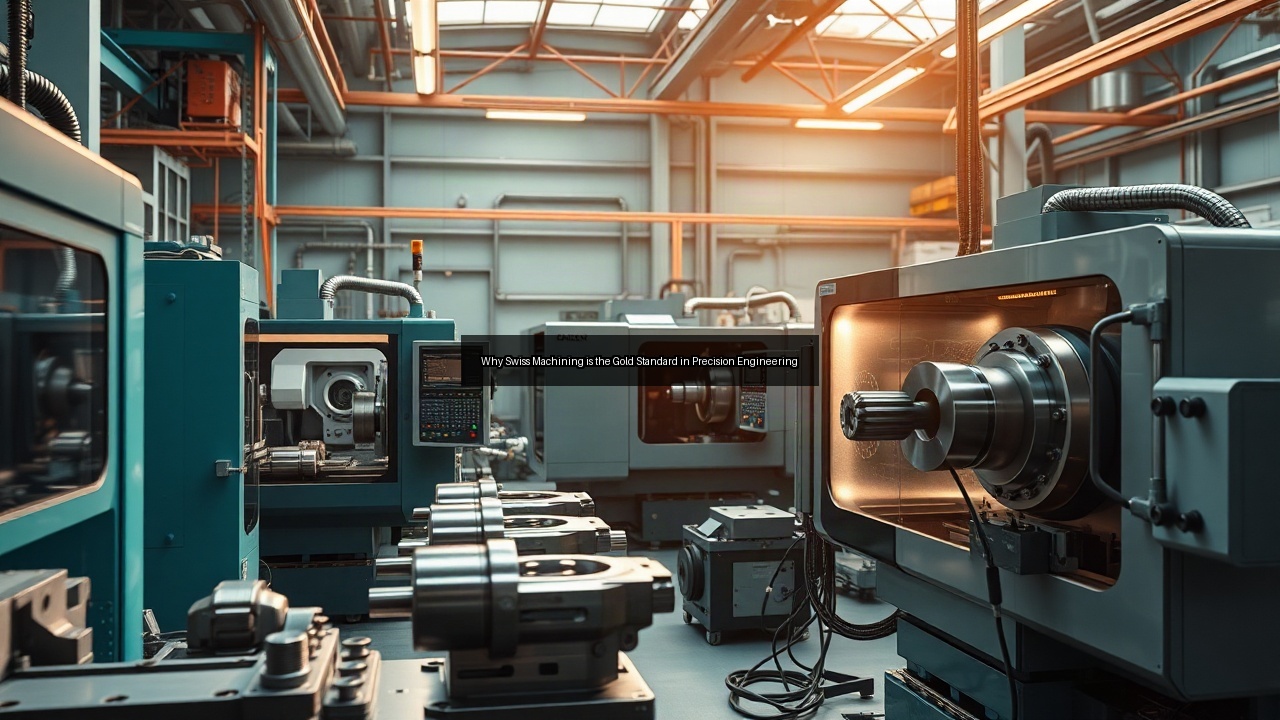
Swiss machining systems consist of several key components that work together to achieve exceptional precision. The Swiss lathe serves as the foundation, equipped with advanced tooling systems and CNC capabilities. The guide bushing is crucial, providing support and stability for the workpiece as it is machined. Additionally, these systems often include multi-axis capabilities that allow for the machining of complex geometries in a single setup. High-quality tooling, including cutting tools made from durable materials like carbide and nickel, further enhances the effectiveness and longevity of the machining process. Together, these components create a highly efficient and precise manufacturing solution.
Advantages of Swiss Machining in Precision Engineering
Exceptional Precision and Tolerance Levels
Swiss machining stands out for its capability to produce parts with exceptional precision and incredibly tight tolerance levels, often within ±0.001 inches. This precision is critical in industries such as aerospace, where even the slightest deviation can lead to catastrophic failures. The design of Swiss lathes allows for continuous cutting operations, which minimizes vibrations and ensures a high degree of accuracy. Furthermore, the ability to perform multiple machining operations in one setup reduces the risk of errors that could occur when transferring parts between machines. This level of precision not only meets but often exceeds the stringent requirements set by regulatory bodies in various sectors.
Enhanced Productivity through Automation
Swiss machining significantly enhances productivity through advanced automation features. Modern CNC Swiss machines can operate continuously, reducing downtime and increasing output volumes. Automation allows for unattended operation, meaning that machines can run for extended periods without human intervention. This capability is particularly beneficial for high-volume production runs, where maintaining consistent quality and efficiency is paramount. Additionally, the integration of sophisticated software in Swiss CNC machining enables real-time monitoring and adjustments, optimizing the machining process without compromising quality. This combination of automation and precision makes Swiss machining an ideal solution for manufacturers looking to improve their operational efficiency.
Versatility in Geometries and Materials
Swiss machining showcases remarkable versatility in producing a wide range of geometries and working with various materials. The process easily accommodates complex shapes, allowing for the creation of intricate parts that may be challenging to produce using traditional machining methods. Manufacturers can work with materials such as stainless steel, aluminum, brass, and even exotic alloys, making Swiss machining suitable for a diverse array of applications. This versatility extends to the ability to produce both high-volume and low-volume runs, catering to the needs of different industries. Whether crafting small screws for medical devices or larger components for aerospace applications, Swiss machining proves its adaptability and efficiency.
Applications of Swiss Machining in Various Industries
Aerospace: Meeting Stringent Standards
The aerospace industry demands the highest levels of precision and reliability, making Swiss machining an essential process for manufacturing critical components. Parts such as fuel nozzles, brackets, and valve bodies require intricate geometries and tight tolerances to ensure safety and performance. Swiss machining excels in producing these components, as its automation capabilities allow for consistent quality across large production volumes. Moreover, the ability to work with lightweight materials like titanium and advanced alloys further enhances the performance of aerospace components. Manufacturers rely on Swiss machining to meet the stringent standards set by aviation authorities, ensuring the safety and reliability of aircraft.
Medical Devices: Precision and Safety
In the medical device industry, precision is not merely a preference; it is a necessity. Swiss machining produces components for medical devices such as surgical instruments, implants, and diagnostic equipment, all of which require impeccable accuracy. The stringent regulatory requirements governing medical devices necessitate a machining process that can consistently deliver high-quality parts. Swiss machining meets these needs by allowing for the production of complex shapes and features in biocompatible materials. The automation inherent in Swiss CNC machines also reduces the risk of human error, further enhancing the safety and reliability of medical devices.
Automotive: High-Volume Production Needs
The automotive industry relies heavily on Swiss machining to meet its high-volume production needs while maintaining quality and precision. Components such as fuel injectors, connectors, and fasteners require tight tolerances and durability to ensure optimal vehicle performance. Swiss machining provides manufacturers with the ability to produce these parts efficiently, utilizing automation to maintain consistent quality across thousands of units. Additionally, the versatility of Swiss machining allows for the production of both standard and custom parts, accommodating the diverse demands of automotive engineering. As the industry continues to evolve, Swiss machining remains at the forefront of precision manufacturing.
Future Trends in Swiss Machining
Integration of CNC Technology and Software
The future of Swiss machining lies in the continued integration of CNC technology and advanced software solutions. These innovations promise to enhance the efficiency and accuracy of the machining process further. Modern software can optimize machining paths, reducing cycle times and improving overall productivity. Additionally, predictive maintenance software can monitor machine performance in real-time, identifying potential issues before they lead to costly downtime. As manufacturers embrace Industry 4.0 principles, the synergy between Swiss machining and cutting-edge technology will drive significant advancements in precision engineering.
The Role of Advanced Tooling Solutions
Advanced tooling solutions play a pivotal role in the future of Swiss machining. Manufacturers are increasingly investing in high-performance cutting tools that can withstand the rigors of machining hard materials while maintaining precision. Innovations such as coated tools and custom geometries allow for more efficient cutting, reducing wear and improving tool life. The introduction of adaptive tooling, which adjusts to varying machining conditions, further enhances the efficiency of Swiss machining processes. As tooling technology evolves, it will enable manufacturers to push the boundaries of what is possible in precision machining.
Sustainability and Material Innovations in Swiss Machining
Sustainability is becoming a critical focus in the manufacturing sector, and Swiss machining is no exception. The industry is seeing a shift towards eco-friendly materials and processes that minimize waste and reduce the environmental impact. Innovations in biocompatible materials for medical devices and lightweight alloys for aerospace applications reflect this trend. Furthermore, Swiss machining processes are being optimized to reduce energy consumption and improve material utilization. By embracing sustainability, the Swiss machining sector can contribute to a greener future while continuing to deliver the high precision and quality that industries demand.
See Also
- Mastering Swiss Machining Techniques for Precision Parts
- Challenges and Solutions in Swiss Machining for Aerospace Parts
- A Deep Dive into Swiss Machining Geometries and Their Benefits
- The Role of Software in Optimizing Swiss Machining Processes
- Maximizing Output with Swiss Turning and CNC Integration