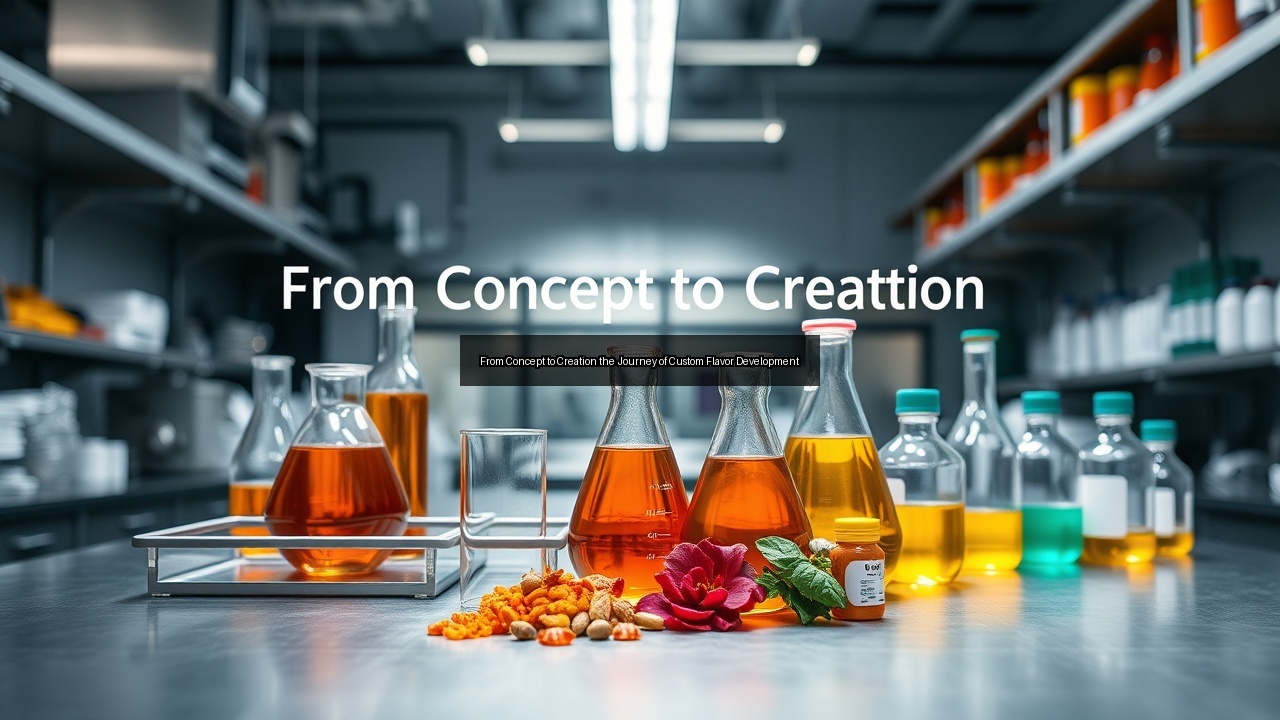
From Concept to Creation the Journey of Custom Flavor Development
The Initial Stages of Custom Flavor Development
Understanding Market Needs and Trends
Custom flavor development begins with a keen understanding of market dynamics. Companies must analyze current trends that influence consumer preferences. Are health-conscious flavors gaining traction? Is there a surge in demand for bold, exotic tastes? By staying attuned to these trends, flavor developers can identify unique opportunities to create custom flavors that resonate with consumers. Market research tools, surveys, and focus groups provide valuable insights into what customers seek. This foundational knowledge shapes flavor profiles that not only meet consumer desires but also align with emerging market demands, ensuring that the final product has a competitive edge.
Identifying Target Audience Preferences
A deep dive into the preferences of the target audience is crucial in custom flavor development. Understanding demographics, lifestyle choices, and cultural influences helps companies create flavors that appeal to specific consumer segments. For example, millennials might gravitate toward adventurous flavors, while baby boomers may prefer nostalgic tastes. Engaging with the audience through social media and direct feedback channels allows companies to gather firsthand insights. This process ensures that the developed flavors are not only innovative but also tailored to meet the specific cravings of potential consumers, enhancing overall market acceptance.
Collaborating with Flavor Developers
The collaboration with experienced flavor developers plays a pivotal role in transforming concepts into reality. These experts bring technical knowledge about flavor chemistry, sensory analysis, and formulation techniques. Working alongside flavor developers, companies can explore various combinations and experiment with ingredients to create unique blends. This collaboration fosters creativity while ensuring that the flavors meet the necessary sensory profiles. Through iterative testing and feedback, flavor developers refine their creations, leading to bespoke flavors that stand out in the market. Such partnerships are essential for companies aiming to innovate and deliver high-quality custom flavors that resonate with consumers.
The Technical Process of Creating Custom Flavors
Ingredient Sourcing and Quality Control
Ingredient sourcing forms the backbone of custom flavor development. Companies must prioritize quality, sustainability, and consistency when selecting raw materials. Sourcing from reputable suppliers ensures that the flavors not only taste great but also meet safety and quality standards. Implementing rigorous quality control measures helps maintain the integrity of the flavor profiles throughout the production process. By establishing relationships with reliable suppliers, companies can secure the best ingredients available, which ultimately influences the final product’s success. This commitment to quality sourcing lays the groundwork for developing custom flavors that consumers trust and enjoy.
Formulation and Testing
The formulation phase involves crafting the flavor profiles that will define the product. Flavor developers experiment with various ingredient combinations, adjusting ratios to achieve the desired taste and aroma. This process often requires extensive testing, including sensory evaluations by trained panels and consumer taste tests. Such evaluations provide critical feedback on flavor intensity, balance, and overall appeal. Iterative testing allows developers to refine formulations until they achieve the perfect blend. This meticulous approach ensures that the final custom flavors deliver a sensory experience that captivates consumers and aligns with brand expectations.
Regulatory Compliance in Flavor Creation
Adhering to regulatory compliance is a non-negotiable aspect of custom flavor development. Companies must navigate complex regulations that govern food safety, labeling, and ingredient usage. Understanding the guidelines set forth by organizations such as the FDA or EFSA is essential to ensure that the flavors meet legal standards. Compliance does not just serve to avoid penalties; it also builds consumer trust. Transparency in ingredient sourcing and flavor formulation reassures customers about the safety and quality of the product. By prioritizing regulatory compliance, companies can confidently launch their custom flavors into the market, knowing they meet all necessary legal requirements.
From Prototype to Production: Manufacturing and Packaging
Innovative Manufacturing Techniques
The transition from prototype to production involves adopting innovative manufacturing techniques that enhance efficiency and quality. Companies utilize advanced technologies such as high-shear mixers and ultrasonic extractors to achieve consistent flavor profiles. Automation in production lines streamlines the process, ensuring that large batches maintain the same flavor integrity as smaller prototypes. Additionally, integrating data analytics allows manufacturers to monitor production in real-time, identifying any discrepancies that may arise. These cutting-edge manufacturing practices not only improve productivity but also enable companies to scale their custom flavor offerings rapidly, meeting increasing consumer demand without compromising quality.
Exploring Primary Packaging Options
Effective packaging plays a crucial role in the success of custom flavors. Companies must explore various primary packaging options that not only preserve flavor integrity but also enhance the product's marketability. Glass bottles, plastic containers, and pouches each present unique advantages. For instance, glass offers premium aesthetics and flavor protection, while flexible pouches provide convenience and lightweight options. Selecting the right packaging aligns with brand identity and consumer expectations. Furthermore, considering the environmental impact of packaging materials contributes to a brand’s sustainability image, appealing to eco-conscious consumers. Ultimately, the right packaging choice can elevate the overall perception of custom flavors in the marketplace.
The Role of Screen Printing in Branding
Screen printing emerges as a vital tool in branding custom flavors. This technique allows companies to apply intricate designs and logos directly onto the packaging, enhancing visual appeal and brand recognition. Effective branding captures consumer attention on crowded shelves, making a memorable first impression. Screen printing offers versatility, enabling companies to create vibrant, eye-catching graphics that communicate the essence of the flavor. Beyond aesthetics, high-quality screen printing ensures durability, preventing wear and tear that could detract from the product’s appearance. This attention to branding through screen printing fosters a strong connection with consumers, ultimately driving sales and brand loyalty.
Launching Custom Flavors: Marketing and Brand Integration
Creating a Unique Selling Proposition
A compelling unique selling proposition (USP) distinguishes custom flavors in a saturated market. Companies must articulate what sets their flavors apart from competitors. This could involve highlighting unique ingredients, innovative flavor combinations, or health benefits. An effective USP resonates with target audiences, creating an emotional connection that drives consumer loyalty. By focusing on the specific attributes that make their custom flavors special, companies position themselves as leaders in flavor innovation. A strong USP not only supports marketing efforts but also reinforces brand identity, ensuring that consumers recognize and remember the brand when making purchasing decisions.
Strategies for Promoting Custom Flavors
Promoting custom flavors requires a multifaceted marketing approach. Companies can leverage social media platforms, influencer partnerships, and targeted advertising to reach their desired audience. Engaging storytelling captures consumer interest and builds brand narratives around the flavors. Sampling events and collaborations with chefs or mixologists provide hands-on experiences that encourage trial and feedback. Additionally, utilizing digital marketing strategies such as SEO and content marketing ensures that the flavors gain visibility online. By combining various promotional strategies, companies can effectively showcase their custom flavors and drive consumer engagement, ultimately leading to increased sales and brand awareness.
Measuring Success and Consumer Feedback
Measuring the success of custom flavor launches hinges on gathering and analyzing consumer feedback. Companies can utilize surveys, social media monitoring, and sales data to evaluate develop cistom flavors how well their flavors resonate with the market. Understanding consumer preferences helps refine future flavor development strategies. Incorporating feedback into product iterations creates a cycle of continuous improvement, enhancing customer satisfaction and brand loyalty. This proactive approach to evaluating success ensures that companies remain responsive to consumer trends, allowing them to adapt and thrive in the ever-evolving landscape of flavor development. Ultimately, a commitment to understanding consumer feedback shapes the future of custom flavors.